


What does compostable mean?
The term “compostable” refers to a material’s ability to be decomposed through the process of composting, which is a form of controlled aerobic decomposition. As part of composting, compostable materials can be broken down into compost, a nutrient-rich material that can be used as a soil fertilizer.

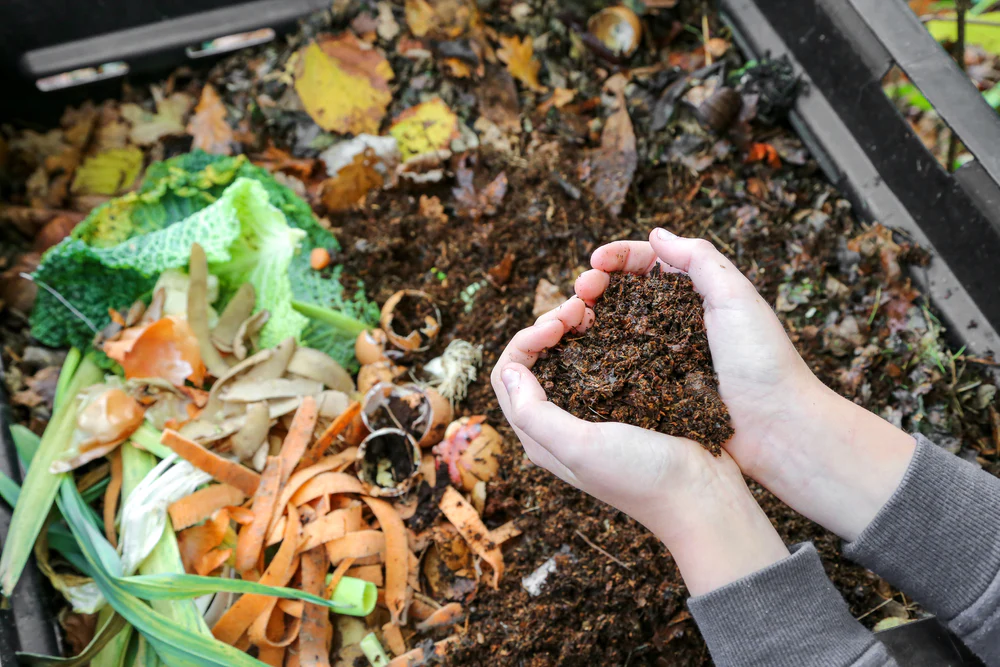
What advantages do compostable materials have?
Compostable materials often include natural substances such as corn starch, cellulose, paper, cardboard, and other organic materials. It is important to note that the compostability of a material depends on various factors, including the chemical composition of the material, the conditions of the composting process and the time required for decomposition.
When materials are compostable, they can be disposed of in composting facilities, where they are subjected to optimal conditions for the decomposition process. In this way, compostable materials can help reduce waste accumulation and promote more sustainable waste management practices. However, it is important that compostable materials are disposed of in appropriate composting facilities and not in the environment, as natural conditions may not be sufficient for complete decomposition.
What are compostable materials?
Compostable materials are often of natural origin and can be decomposed through the composting process. Some common examples of compostable materials include:
- Paper and cardboard: Paper and cardboard products are often compostable. These can include boxes, beverage cartons and paper containers;
- Natural fibres: Materials such as cotton, wool and hemp are compostable;
- Organic foods: Food waste, such as fruit shells, vegetables, eggshells and coffee grounds, are compostable;
- Corn starch and biodegradable plastics: Some types of plastic made from corn starch or other natural polymers are compostable. However, it is important to note that the compostability of some plastics may vary depending on environmental conditions;
- Compostable plastic sheets and cutlery: Some plastic cutlery and utensils may be compostable, but decomposition conditions and times may vary;
- Cellulose fiber sheets: Compostable sheets made from materials such as cellulose fiber can be used for packaging and containers;
- Untreated wood products: Untreated wood may be compostable, but paints or chemical treatments can affect its compostability.
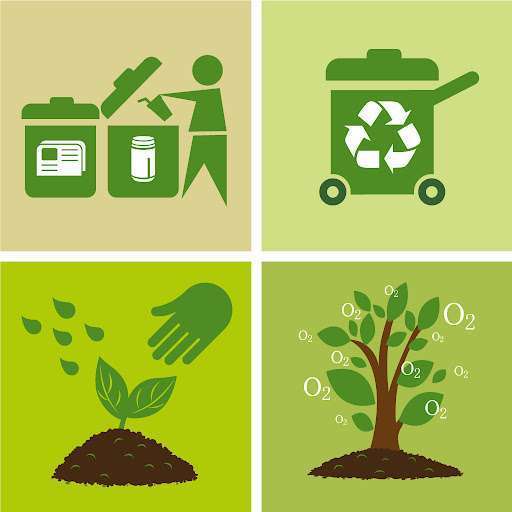
Our compostable materials
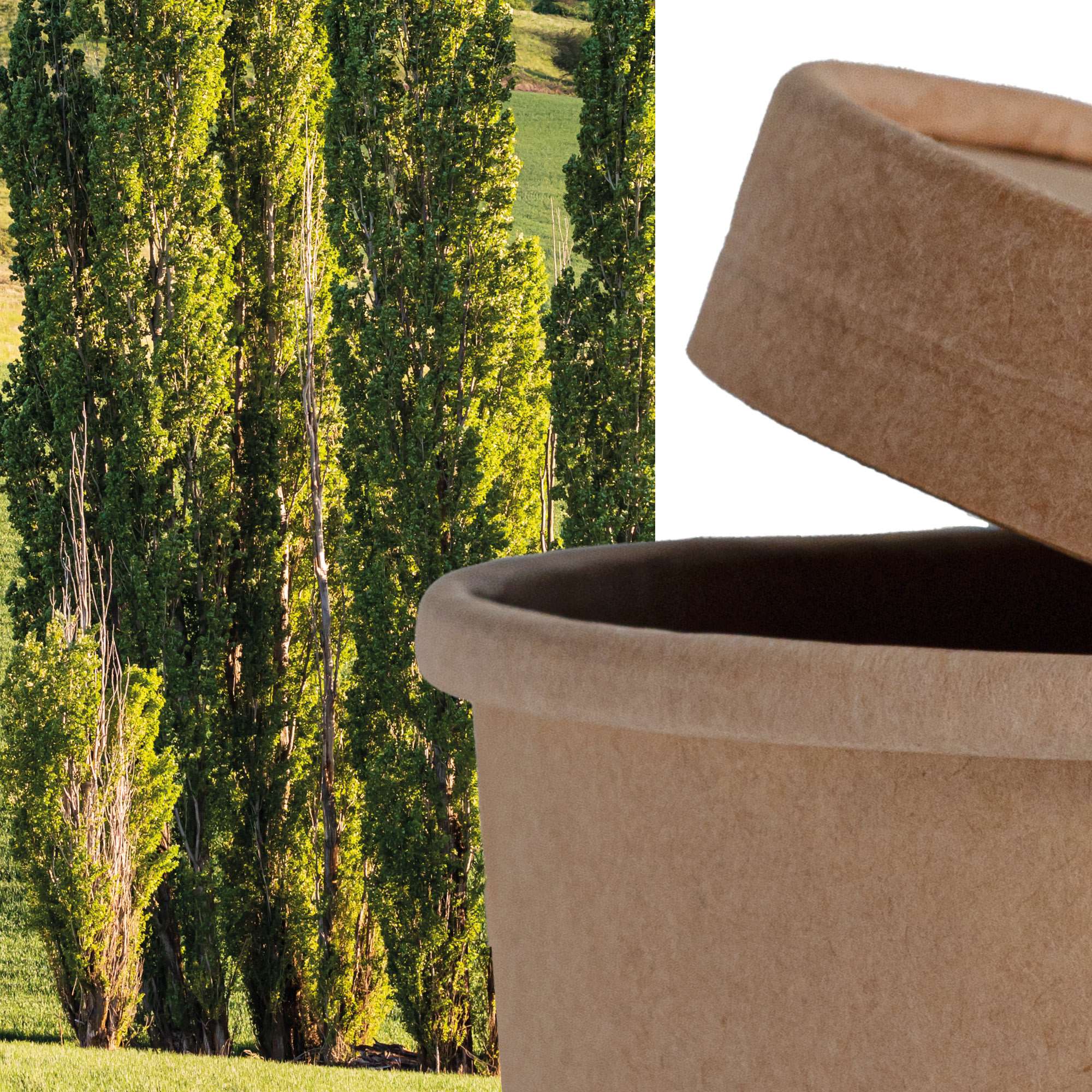
Cardboard coupled with bioplastic (PLA)

Palm leaf
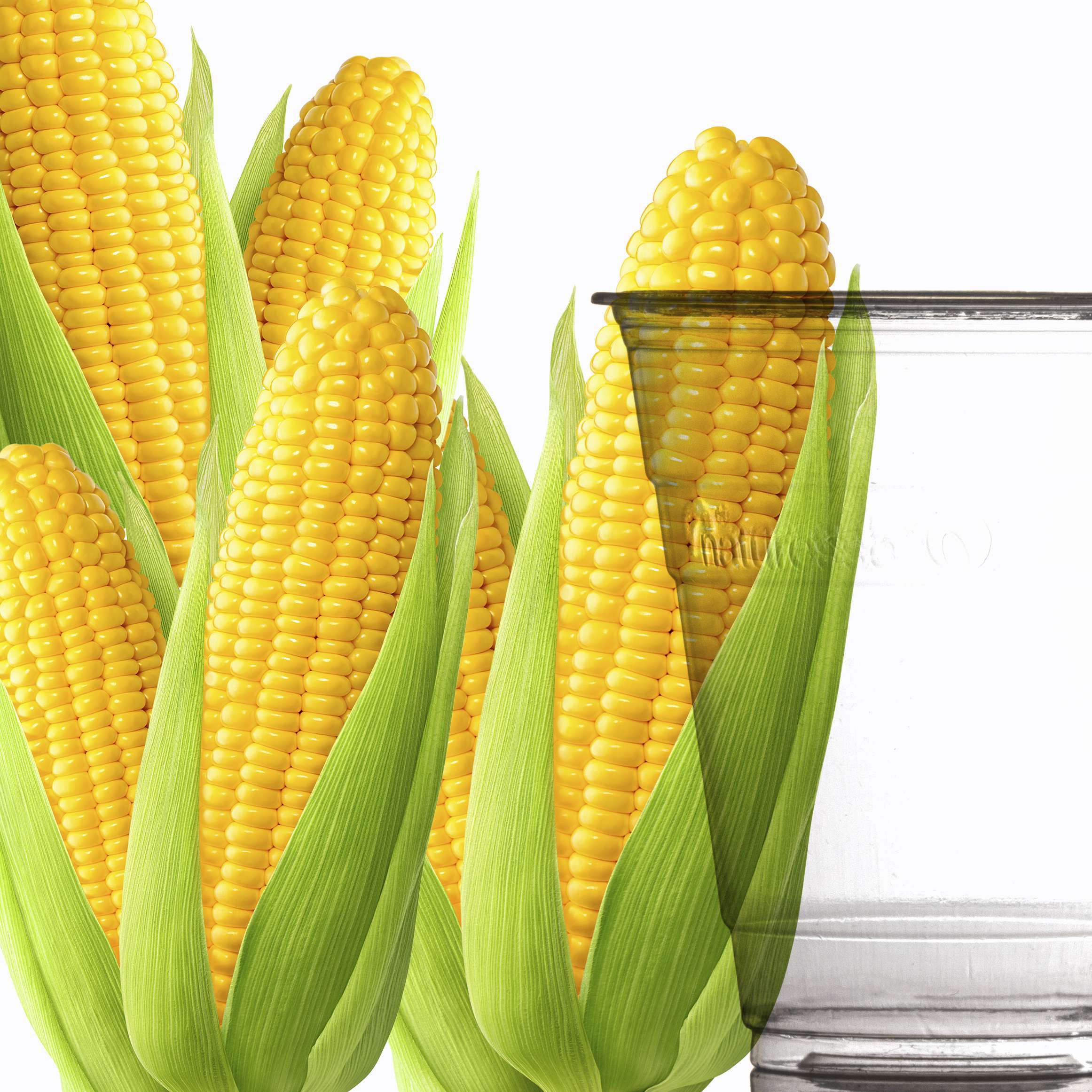
Bioplastic (PLA)
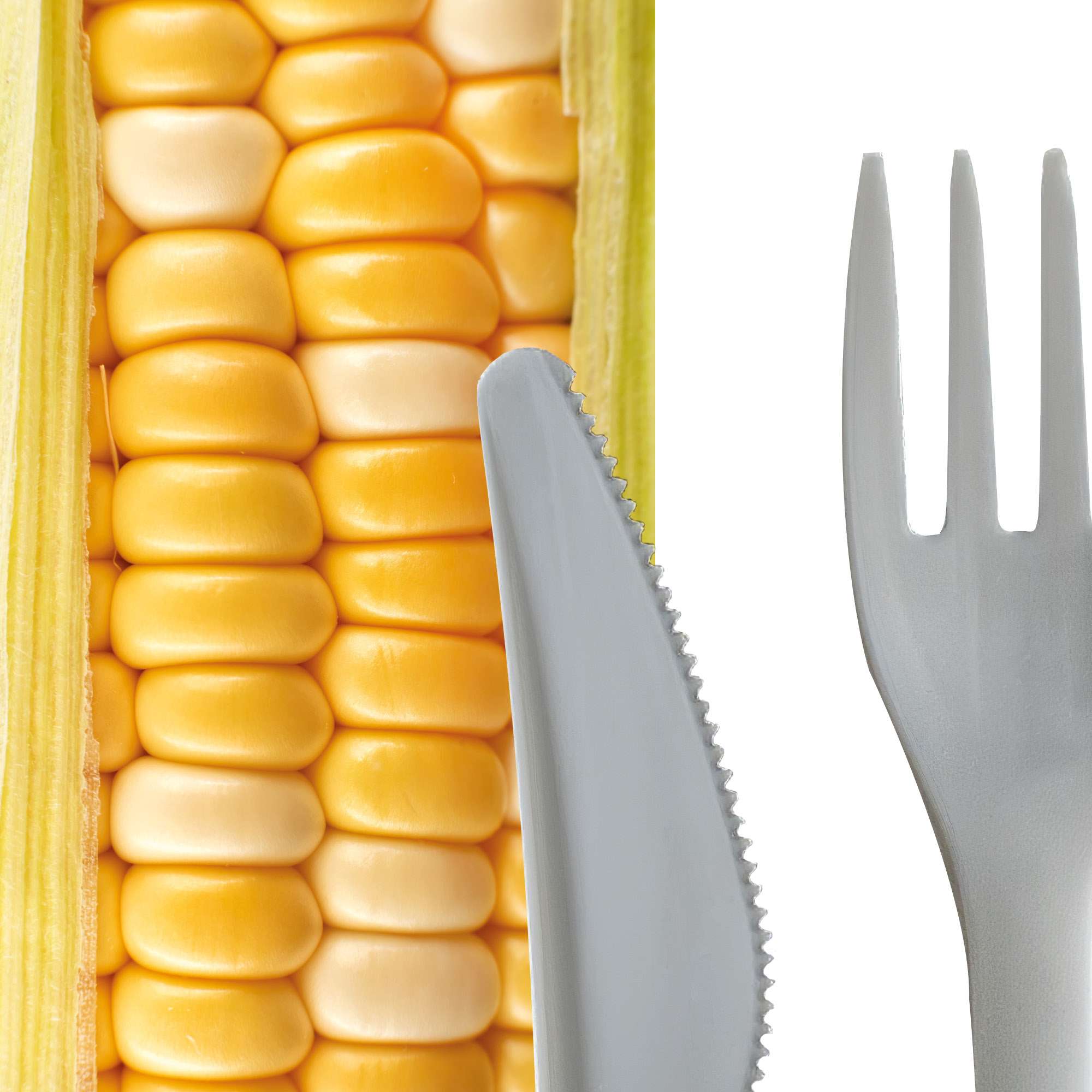
Crystallized bioplastic (CPLA)
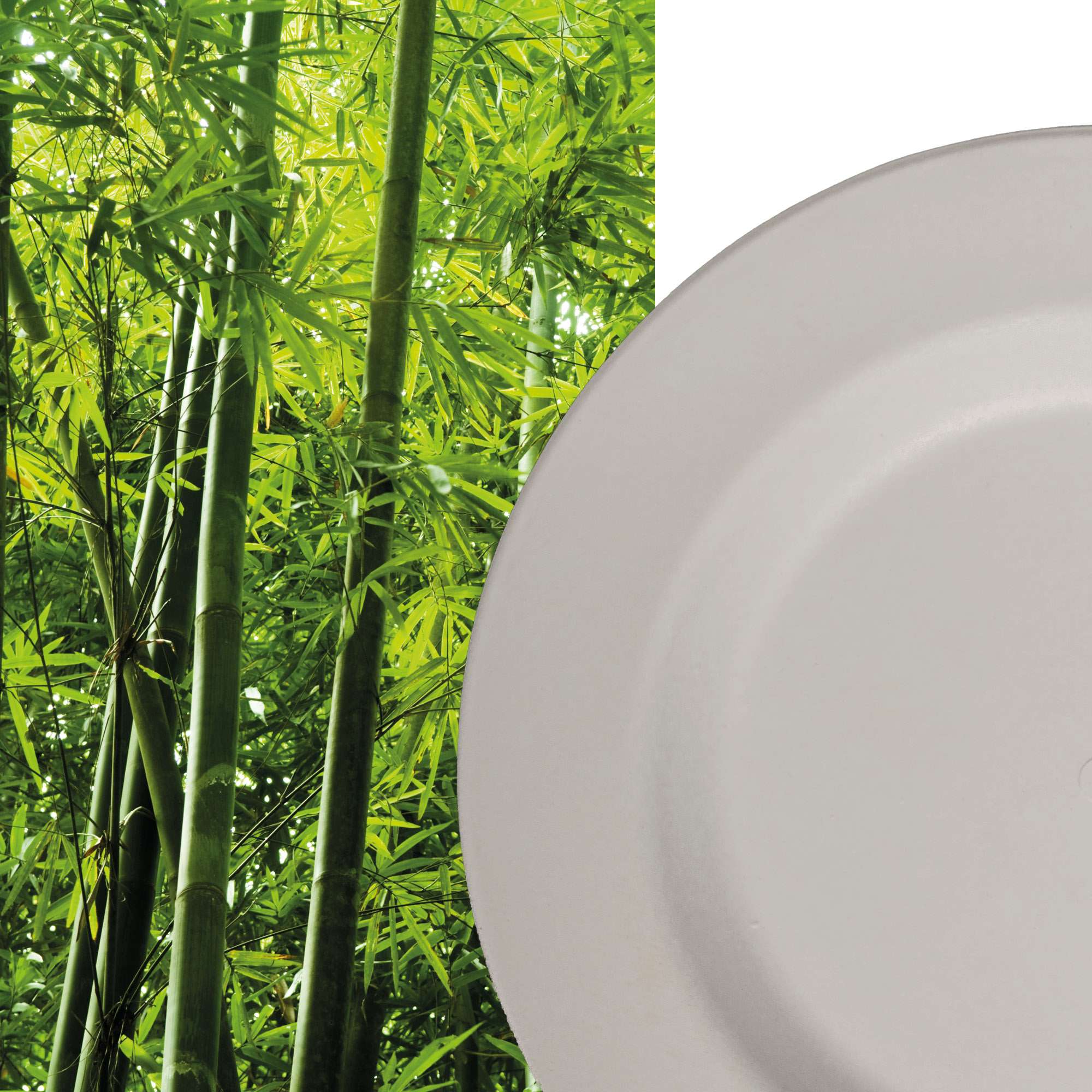
Cellulose pulp
FREQUENTLY ASKED QUESTIONS
For a material to be compostable, its actual decomposition depends on environmental conditions, the presence of oxygen and other factors specific to the composting process. Furthermore, not all compostable products can be disposed of properly at home, and it may be necessary to use industrial composting facilities to ensure adequate decomposition.
Disposal of compostable products depends on the infrastructure available in your area. Here are some general options:
– Home composting: If you have home composting, many compostable products, such as food waste, paper, cardboard and similar materials, can be disposed of through this process. Make sure products are labeled “compostable” and follow the manufacturer’s instructions;
– Waste sorting: In some communities, there is a separate collection service that includes specific containers for compostable materials. The collected waste is then sent to composting plants;
– Specific collection points: Some metropolitan areas or communities offer specific collection points for compostable materials. You can check if there are dedicated collection points in your area.
– Composting plants: In many regions, there are composting facilities that accept compostable materials. Contact local authorities or waste management services for information on the location of composting facilities in your area;
– Disposal in organic waste: In some locations, organic waste, including compostable materials, is collected separately and sent to composting facilities or other appropriate management sites.
It is important to note that disposal practices for compostable materials may vary depending on your location. Check local rules and contact local authorities or waste management services for specific information on managing compostable materials in your area.
The main differences between “compostable” and “biodegradable” concern the decomposition processes and the specific environments in which they occur. More specifically:
Compostable:
Definition: A compostable material is capable of degrading through the process of composting, which is a form of controlled aerobic decomposition.
Destination: Compostable materials are designed to be disposed of in composting facilities, where they are broken down into compost, a nutrient-rich material that can be used as a fertilizer.
Specific conditions: Composting requires specific conditions, such as the presence of oxygen, humidity and the right combination of organic materials. Not all compostable materials degrade effectively in home composting.
Biodegradable:
Definition: A biodegradable material is capable of being broken down by microorganisms (bacteria, fungi, etc.) into simpler substances, such as water, carbon dioxide and organic compounds.
Destination: Biodegradable materials can degrade in various environments, including soil, water and air, without the need for composting. However, the speed and effectiveness of decomposition can vary depending on environmental conditions and the composition of the material.
Decomposition Environments: Biodegradation can occur in a wide range of environments, including landfill sites, but can take longer than composting.
In summary, biodegradability refers to the ability of a material to degrade naturally in various environments while compostability implies a specific and controlled decomposition process. So not all biodegradable materials are compostable while all compostable materials are biodegradable.
To determine whether a material is biodegradable or compostable, you can follow these tips:
Labels and symbols:
Biodegradability
Some products may be labeled “biodegradable.” However, it is important to note that this label can be used generically and does not always specify the context or environment of decomposition.
Compostability
Look for specific labels that indicate the material’s compostability. For example, you may see labels with the “OK Compost” or “BPI Certified Compostable” logo, indicating that the material has been certified as compostable by recognized organizations:
Manufacturer’s instructions
Check the manufacturer’s instructions on the product or packaging. The instructions should indicate whether the material is biodegradable or compostable and provide guidance on how to dispose of it correctly
Material composition
Information on the composition of the material can be useful. For example, materials such as corn starch or cellulose are often used in compostable products.
Certification standards:
Some compostable materials are certified according to specific standards. Check whether the material has obtained recognized certifications, such as those of the Association of Composting Industrialists (Biodegradable Products Institute – BPI) or the European “EN 13432” certification for compostable product.
Online search:
You can search for information online about whether a specific material is biodegradable or compostable. However, beware of reliable and verified sources.
Remember that definitions and regulations may vary from region to region, so it may be helpful to find out about local regulations and disposal practices in your area. If in doubt, contact the manufacturer or local waste authorities for specific information on the material you wish to dispose of.
There are several recognized brands and certification standards that attest to the compostability of a product. Here are some of them:
– BPI (Biodegradable Products Institute): The BPI mark is a non-profit organization in the United States that certifies the compostability of products. Products with the BPI logo are designed to degrade in industrial composting facilities;
– EN 13432: The European standard EN 13432 establishes the requirements for packaging that can be considered compostable and biodegradable. Products that meet this standard are often labeled accordingly;
– Seedling logo (European Bioplastics): This logo is used by European Bioplastics and indicates that the product is compostable according to European standards. Composting facilities should be able to properly dispose of products marked with the Seedling logo;
– OK Compost (TÜV Austria): OK Compost is a certification mark issued by TÜV Austria and indicates that a product can be safely composted in an industrial composting facility;
– AS 5810 (Australian Standard for Compostable Plastics): This Australian standard specifies requirements for compostable materials and products. Products that meet AS 5810 standards can be certified as compostable;
– DIN-Geprüft (DIN CERTCO): DIN CERTCO is a German certification body. Compostable products that meet German standards can be marked with the “DIN-Geprüft” mark;
– Compostable in Accordance with ASTM D6400 (American Society for Testing and Materials): ASTM D6400 is an American standard for the compostability of biodegradable materials. Products that follow this standard may be labeled “Compostable in Accordance with ASTM D6400”.
Prima di acquistare prodotti compostabili, cerca questi marchi di certificazione sulle etichette dei prodotti o sulle informazioni fornite dal produttore. La presenza di uno di questi marchi suggerisce che il prodotto è stato sottoposto a test rigorosi e che è probabile che si degradi in modo sicuro in condizioni di compostaggio specifiche.
Become an ally for a Plastic Free world
Subscribe to the EcoBioShopping newsletter and get 5% off your first order now.
The disposable #plasticfree always on stock.
