


What does recyclable mean?
The term “recyclable” refers to the ability of a material to be collected, treated and transformed into new products or materials through the recycling process. The goal of recycling is to reduce the use of natural resources, save energy and reduce the amount of waste sent to landfills.

What advantages do recyclable materials have?
When a product is labeled as recyclable, it means that it has been designed so that its material can be recovered and reused to create new products or materials. However, the recyclability of a material depends on the availability of adequate recycling facilities and the ability to treat the material effectively.
What are recyclable materials?
Some examples of materials commonly considered recyclable include paper, cardboard, glass, aluminum, some types of plastic, and metals. However, it is important to note that not all materials labeled as recyclable are accepted everywhere or can be easily recycled in all recycling systems. Actual recyclability may vary based on local recycling infrastructure, available technologies and regional standards.
There are several materials commonly considered recyclable. Here are some examples:
- Paper and cardboard: Includes newspapers, magazines, cardboard boxes, cardboard and other paper materials;
- Glass: Glass bottles, jars and other containers are generally recyclable;
- Aluminum and steel cans: Beverage cans, food cans and other aluminum or steel packaging are easily recyclable;
- Plastic: Some types of plastic are recyclable. These are often marked with a recycling identification number (1 to 7), known as a resin identification code. For example, plastic bottles marked with the number “1” (PET) are often recyclable. The recyclability of plastic can vary greatly depending on the location and capabilities of the recycling center;
- It is important to note that the recyclability of a material may vary based on local recycling infrastructure and regulations. In some cases, it is necessary to dispose of the materials in a specific recycling center or participate in dedicated collection programs. Check local guidance and recycling options in your area.
Our recyclable materials
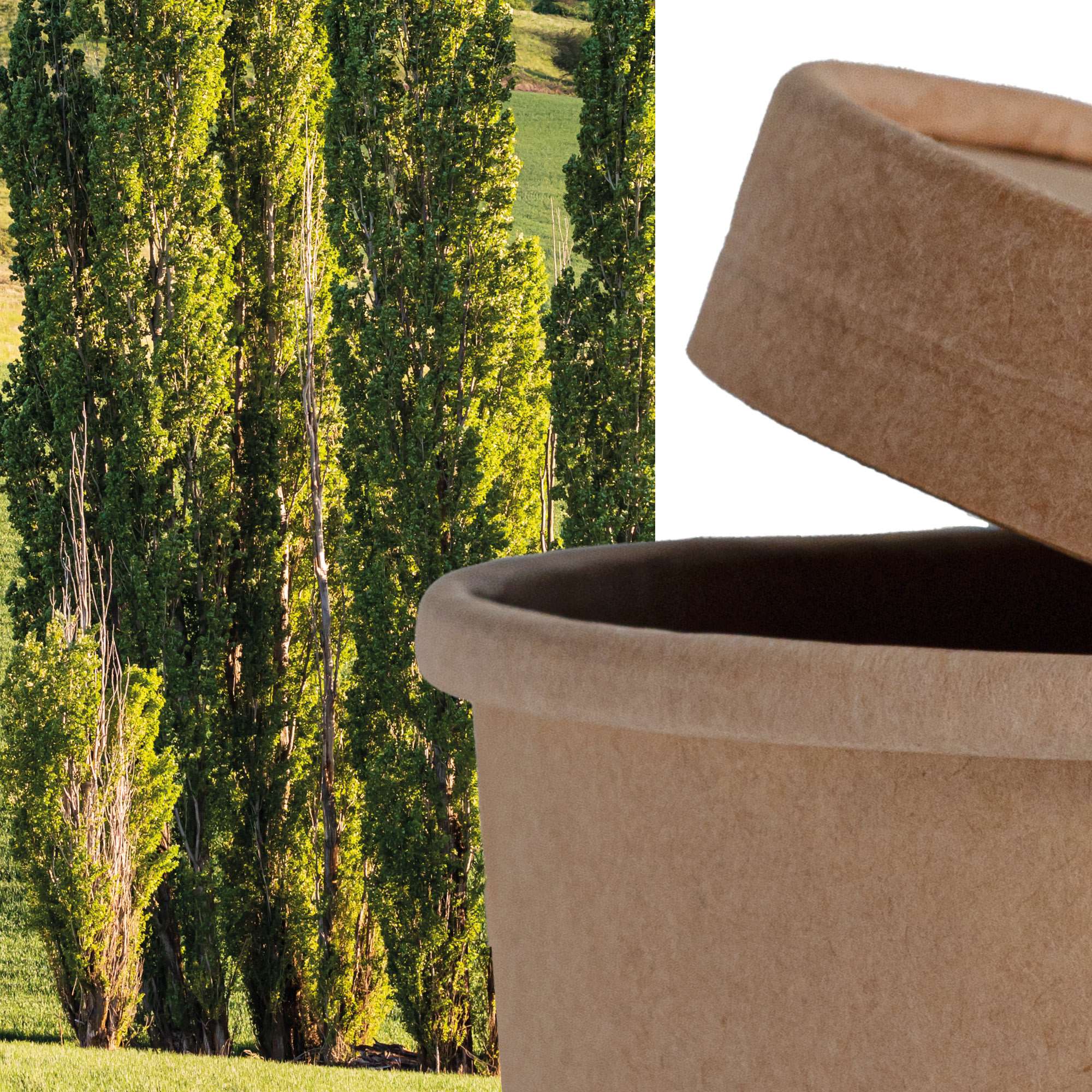
Cardboard coupled with polypropylene (PP)
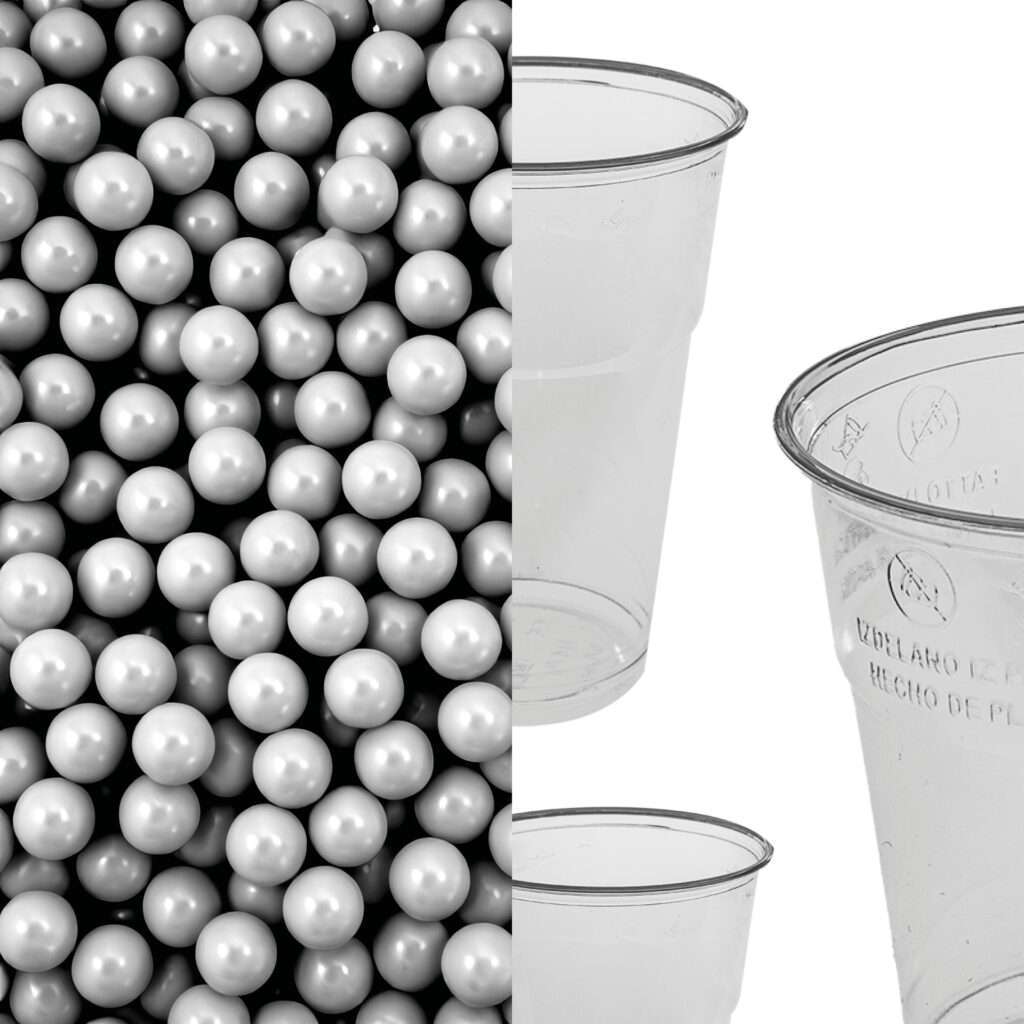
PET (Polyethylene terephthalate)
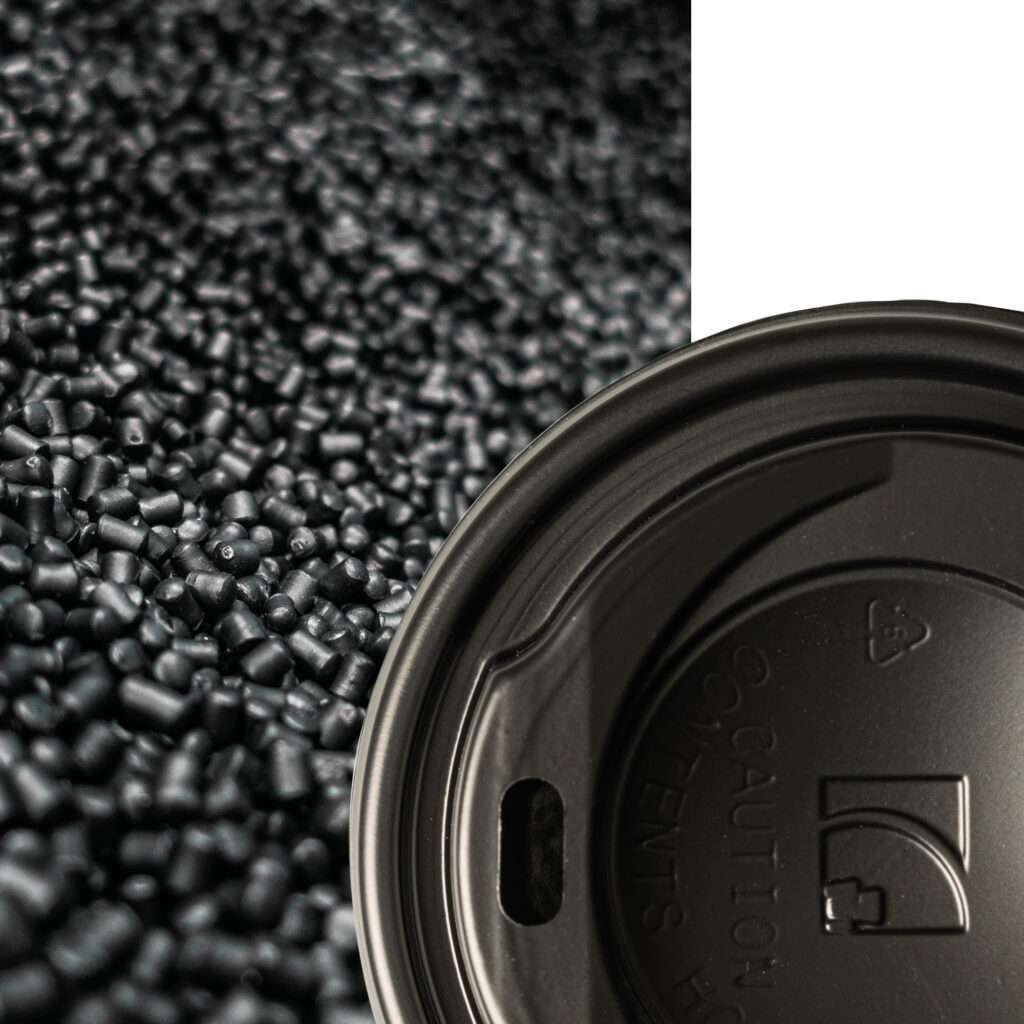
Non-expanded polystyrene (PS)

Pure cellulose cardboard

Birch wood
FREQUENTLY ASKED QUESTIONS
Disposal of recyclables depends on the waste management practices and recycling infrastructure available in your area. Here are some common options for disposing of recyclables:
– Door-to-door waste collection: Many communities offer door-to-door recycling services, where recyclable materials are collected separately from other waste. Citizens can place recyclable materials in specific containers provided by local authorities;
– Collection centers: Some areas have collection centers where you can take recyclable materials. These centers can accept a variety of materials, such as paper, cardboard, plastic, glass and metal;
– Public recycling containers:In some urban areas, public recycling containers are available, placed in strategic places such as parks, squares or commercial areas;
– Specific collection points: Some materials may require special treatment. For example, batteries, electronics and hazardous materials can only be accepted at dedicated collection points;
– Special Pickup Programs: In some communities, special take-back programs are available for large or particularly difficult-to-dispose items, such as appliances or furniture;
– Recycling plants: Materials collected at various collection points are often sent to recycling facilities, where they are separated, processed and prepared for the production of new materials;
– Participation in corporate or local recycling programs: Some local businesses or organizations promote specific recycling programs that allow citizens to drop off recyclable materials at certain locations or events.
To find out about specific recycling practices in your area, check local guidelines and information provided by local authorities or waste management services. Also, familiarize yourself with the specific recycling recommendations for each material.
The differences between the terms “recyclable”, “compostable” and “biodegradable” mainly concern the disposal processes and environments in which these materials can be managed. Here is a brief description of the differences between these concepts:
Recyclable
Definition: A recyclable material is one that can be collected, transformed and reused to produce new materials or products through the recycling process.
Destination: Recyclable materials are sent to recycling facilities, where they are separated, cleaned and transformed into new products.
Compostable
Definition: A compostable material is capable of breaking down into compost, a nutrient-rich material, through the process of composting, which is a form of controlled decomposition.
Destination: Compostable materials are often disposed of in composting plants, where they are broken down into compost that can be used as fertilizer.
Biodegradable
Definition: A biodegradable material is capable of being decomposed naturally by microorganisms, such as bacteria or fungi, into simpler substances, such as water, carbon dioxide and organic compounds.
Destination: Biodegradability can occur in various environments, including soil, water and air, without the need for composting. However, the speed and effectiveness of decomposition can vary depending on environmental conditions.
In summary, recyclability refers to the ability to transform a material into new products through recycling, compostability concerns decomposition into compost under controlled composting conditions, while biodegradability involves natural decomposition in various environments. It is important to note that not all recyclable materials are compostable, and not all compostable materials are necessarily biodegradable. Disposal choices depend on a number of factors, including specific materials and available local infrastructure.
To understand if a material is recyclable, you can follow these steps:
Checking labels
Many products and packaging are labeled with recycling information. Look for recycling labels or symbols that indicate the recycling category of the material. For example, the recycling symbol with a number inside (1-7) can provide information on the type of plastic.
Material identification codes
Many materials, especially plastics, are marked with an identification code. These codes range from 1 to 7 and indicate the specific type of plastic. Some of these types may be easily recyclable, while others may only be accepted at certain recycling facilities.
Manufacturer information
Read the information provided by the manufacturer on the packaging or on the product itself. Often, manufacturers provide guidance on how to properly dispose of the material and whether it is recyclable.
Online search:
You can search online for specific information about a material or product. Some environmental organizations or dedicated websites provide detailed guides on the recyclability of materials.
Local regulations:
Check local rules and recycling practices in your area. Regulations can vary greatly from one location to another, and you may find specific guidance on managing recyclable waste in your community.
Consultation with local waste management services:
Contact local authorities or waste management services in your area for specific information on the recyclability of certain materials and local recycling practices.
Please note that recyclability may vary based on local infrastructure and regulations in your area. Reading labels carefully and looking for specific information can help you make more informed decisions about recycling materials.
Recyclability certification often involves organizations and brands working in the environmental and waste management sectors. However, unlike biodegradability or compostability, certifying recyclability can be more complex and dependent on the specific recycling infrastructure available in a given region. Some bodies and brands that are associated with recyclability certification include:
– Recycling Symbol: The recycling symbol, composed of three arrows forming a cycle, is an international icon that indicates the possibility of recycling. However, it is not a specific certification mark and can vary depending on the type of material;
– How2Recycle: How2Recycle is a labeling program in the United States that provides detailed recycling information on products and packaging. How2Recycle labels provide specific instructions on how to properly dispose of a particular product;
– APR (Association of Plastic Recyclers): The APR provides guidance and certification related to plastic recycling. Products that meet the APR criteria can receive the “Recyclable” label;
– EuCertPlast: EuCertPlast is a European certification system for companies that work with recyclable plastic materials. Indicates that companies adhere to certain standards when processing recyclable plastic;
– REPREVE: REPREVE REPREVE is a mark that indicates that a product is made from recycled polyester fibers. While not specifically a certification mark, it represents a manufacturer’s commitment to using recycled materials;
– Recycled Content Certification Programs: Several organizations and programs offer certifications for the presence of recycled content in products. Some examples include SCS Global Services’ “Recycled Content Standard” (RCS) and UL Environment’s “Post-Consumer Recycled Content” program.
Remember that recyclability may vary depending on location and available infrastructure. Check the information provided by local authorities, manufacturer recommendations and specific recycling symbols on product packaging.
Become an ally for a Plastic Free world
Subscribe to the EcoBioShopping newsletter and get 5% off your first order now.
The disposable #plasticfree always on stock.
